Tartan Newsletter Ed 14
06 Nov 2026


06 Nov 2026
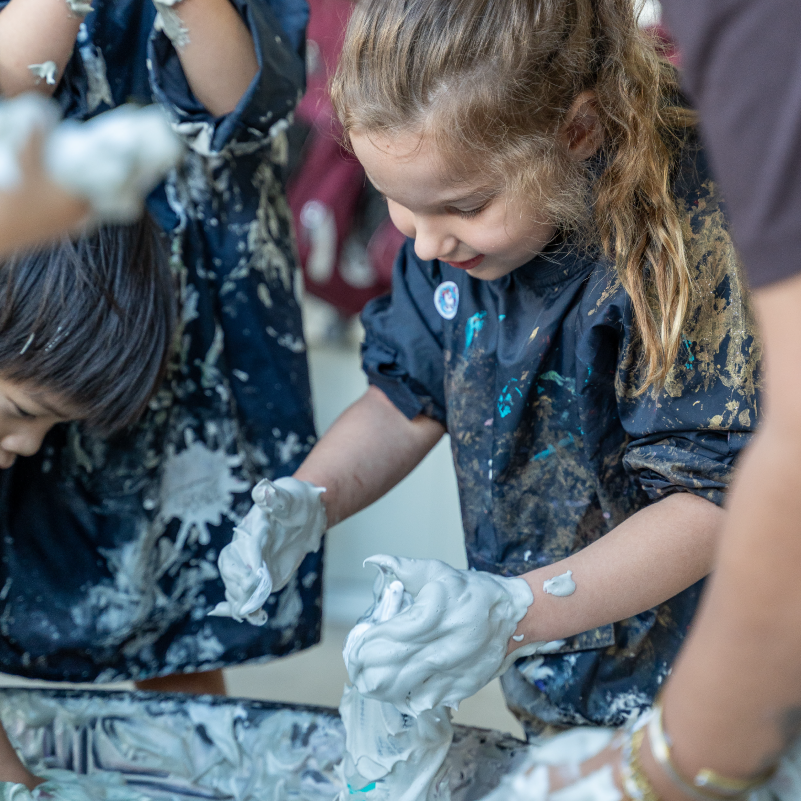
The Western Australian Government is developing Australia's first government-led Play Strategy for children from birth to age eight. The strategy aims to place play at the centre of children's wellbeing, development and learning.

The WA Play Strategy recognises that play is one of the most important ways young children learn about themselves and the world around them. The strategy describes play as essential for children’s health, happiness, learning and development. Through play, children develop:
The focus is on creating more opportunities for children to play in everyday settings, not just in early learning environments. The strategy supports a broad view of play, including:
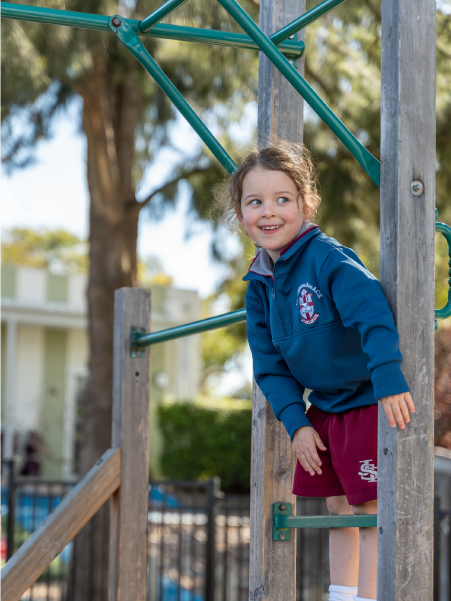
Research and community feedback have highlighted that children today often face barriers to play, such as:
The strategy seeks to identify what supports play, what gets in the way, and how communities, services and governments can work together to create more play-friendly environments for children.
The WA Play Strategy aims to:
The strategy sends a reassuring message to families: time spent playing is not time wasted. When children build cubbies, climb trees, dress up, explore nature, create artwork, play games with friends, or simply engage in child-led play, they develop skills that support lifelong learning and wellbeing.
For parents, one of the most valuable things we can do is give children time, space, and permission to play. The WA Play Strategy recognises that play is a vital part of childhood and deserves protection, encouragement, and celebration.
Have your say:
To help inform the development of a WA Play Strategy, complete the survey by 11 November 2026. Your feedback will help shape practical actions to support more play-friendly communities across WA. Your answers are anonymous and cannot be linked back to you. This survey is for WA parents, carers, kin and other adults who are primary caregivers of children aged birth to 8 years.
What to expect: