Tartan Newsletter Ed 14
06 Nov 2026


06 Nov 2026

Student wellbeing is a phrase heard often in education today, accompanied by many programs dedicated to supporting young people. But what does it actually mean in practice? At its core, student wellbeing is about ensuring every child experiences a clear sense of belonging, connection and security at school.
As educators, our first priority is to truly know our students and understand their individual needs. Genuine connections form the heart of student wellbeing, creating the trust, stability and safety young people need to thrive.
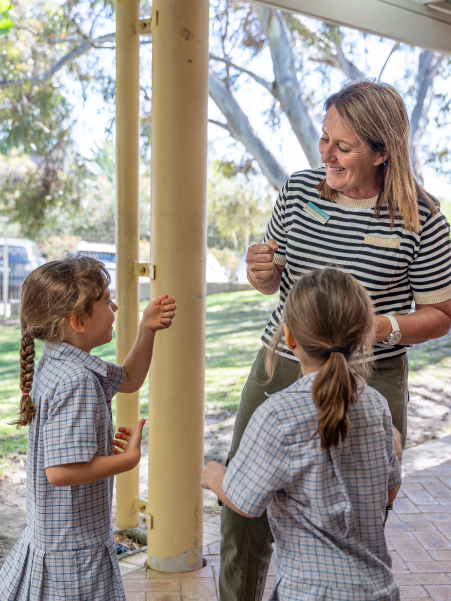
Often, it is the smallest daily actions that make the greatest impact:
These positive interactions build the trust and confidence needed to help students achieve at school.
In modern educational practice, this concept is often summarised as"Maslow before Bloom." Before students can engage in higher-order cognitive thinking and academic achievement, their fundamental physiological and emotional needs such as safety, security, and connection must first be met (Maslow’s Hierarchy of Needs).
Educational research, neuroscience, and school climate studies consistently support this principle. Wellbeing is not an add-on to education; it is the foundational doorway through which all meaningful learning occurs. When a child feels safe and supported, they ask more questions, take on challenging work and achieve stronger academic results.
In our classrooms and school grounds, bringing this philosophy to life starts with intentional relationship building between students and their teachers, ensuring every child feels seen, heard and understood as an individual. It means recognising that every student’s day starts differently and personalised care and support are built into each interaction throughout the school day. Whether through daily check-ins, tailored interventions, restorative conversations or simply providing a calm space when a child feels overwhelmed, these positive teacher-student connections form the foundation of our community.
Prioritising wellbeing does not mean lowering expectations; rather, it provides the supportive scaffold that allows students to reach those high standards with confidence.
Creating an environment where every child feels safe, known, and valued is not something a school does in isolation. It is a shared commitment between staff, students, and families. When we work in partnership to listen, encourage, and understand each child's unique journey, we create a strong network of support around our young people.
As we continue this journey together, we encourage you to stay connected with us. Whether it’s sharing updates about your child’s interests outside of school or reaching out when extra support is needed, your insights are invaluable. By keeping the lines of communication open between home and school, we ensure our students feel confident, safe and ready to learn.