
News
The Rite Journey
13 Mar 2026
Tartan Blog

The Rite Journey: Guiding Young People Through One of Life’s Most Important Transitions
Adolescence is a time of significant growth, change and discovery. As young people navigate an increasingly complex world, they are constantly influenced by social media, peers, pop culture and the expectations placed upon them by society. At JSR, supporting students through this pivotal stage of life is a responsibility we take seriously.
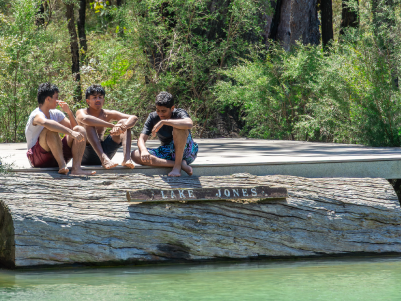
Our Year 9 Rite Journey program has become a cornerstone of student wellbeing and personal development, helping students navigate the transition from childhood to adulthood with confidence, purpose and self-awareness.
Principal Jason Bartell describes adolescence as a time when young people are often faced with conflicting messages about identity, relationships and the kind of adults they want to become. The Rite Journey provides students with the opportunity to pause, reflect and intentionally consider who they are now and who they aspire to be in the future.
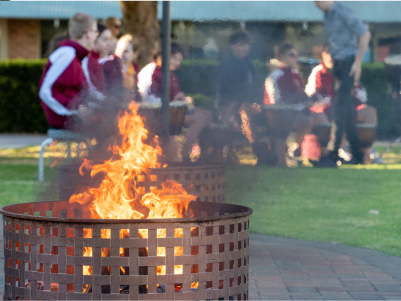
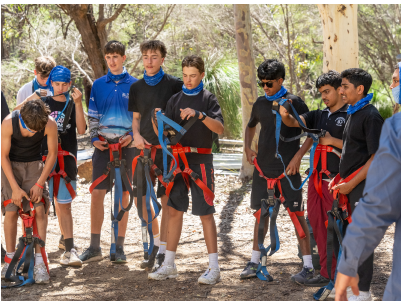
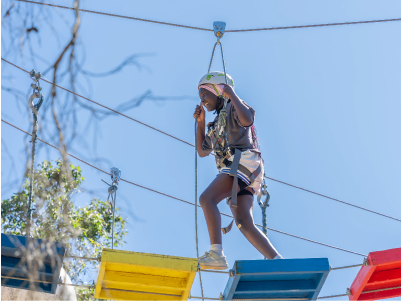
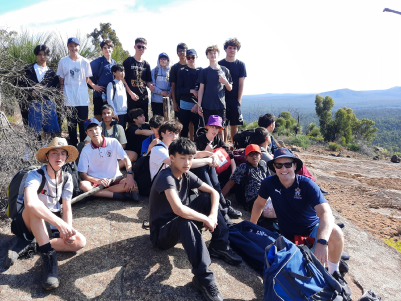
More than a classroom program, The Rite Journey is a transformative experience that encourages students to explore their values, strengths and aspirations through meaningful discussions, challenges, mentoring opportunities and the Into Adulthood Camp. Throughout the year, students are invited to reflect on the experiences that have shaped their character, build stronger relationships and develop a deeper understanding of their place in the world.
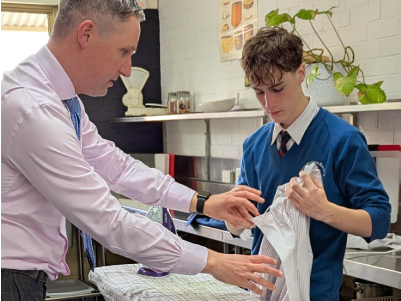
A key strength of the program is its partnership with families. Parents are actively involved in the journey, creating opportunities for conversations that might not otherwise occur. Many students speak positively about the connections formed through the program, with one student sharing, “I’d never had conversations like that with my dad. It was really nice.” These meaningful exchanges help strengthen family relationships and provide young people with valuable support as they navigate the challenges of adolescence.
The Rite Journey is structured around four key themes that guide students through self-discovery and personal growth.
The first, Who Am I Really?, encourages students to explore self-identity, self-awareness and the influences that shape their perceptions of themselves. Students examine the expectations society places upon them while developing a stronger sense of confidence in who they are.
In How Do I Get On With Others?, students focus on building healthy relationships through discussions around emotional literacy, communication, listening, respect and conflict resolution. These conversations help students develop the interpersonal skills needed to foster positive relationships both now and into adulthood.
The third theme, Is There Something More?, invites students to reflect on the deeper questions of life. Through discussions about values, mindfulness, happiness, sadness, wisdom and personal wellbeing, students are encouraged to consider what brings meaning and purpose to their lives.
Finally, What Is My Purpose and What Do I Have to Give? challenges students to look forward and consider the contribution they can make to their communities and the wider world. Leadership, gratitude, kindness and intentional decision-making are central to these conversations as students begin to define the adults they hope to become.
Importantly, The Rite Journey creates a safe and supportive environment where students can openly share their experiences, thoughts and challenges. The program’s flexible structure allows teachers to respond to issues that are relevant and meaningful to students in the moment, ensuring learning remains authentic and impactful.
The positive impact of the program can be seen in the confidence, maturity and self-awareness demonstrated by many students as they progress through Year 9. Through mentoring relationships, personal challenges and shared experiences, students are empowered to embrace growth, build resilience and make thoughtful choices about their future.
At its heart, The Rite Journey is about helping young people recognise that they are not alone in facing life's challenges. It provides them with the tools, support and guidance they need to navigate adolescence and move forward with a stronger sense of identity, purpose and belonging—equipping them not only for the next stage of schooling, but for life beyond the classroom.


%20(800%20x%20560%20px).png)